
Governance in the City of London
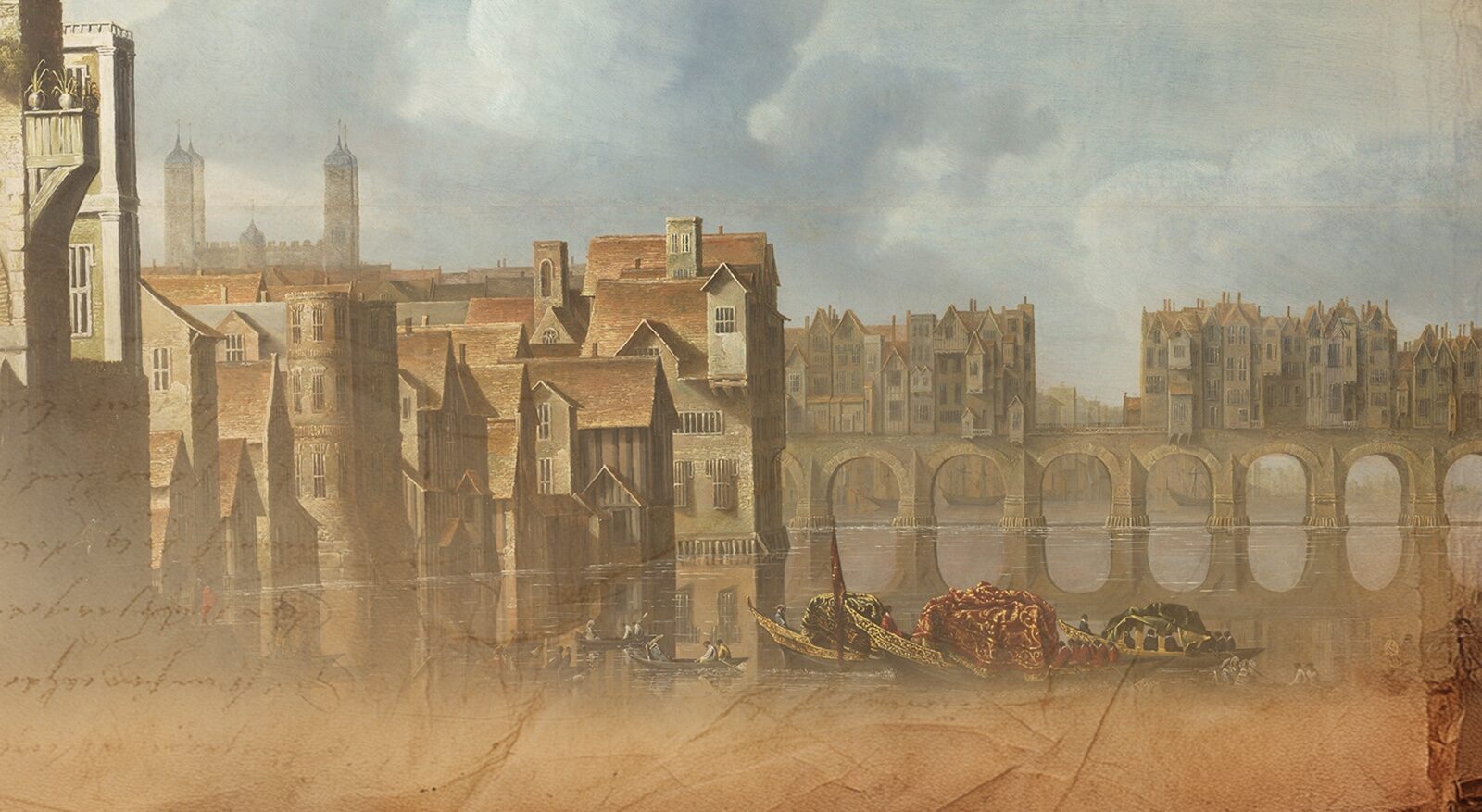
The City of London in the 1640s was the financial and commercial heart of England and its government was both politically influential and administratively sophisticated. Unlike other English towns, the City was not governed directly by the Crown. Instead, it had a highly developed system of civic self-government rooted in medieval charters, corporate privilege, and the wealth of its merchant elite.
The institutions that ruled London in the 1640s (and are still largely unchanged to this day) had evolved over centuries and combined oligarchic leadership by wealthy merchants with broader participation through the livery companies. During the turbulent years of the English Civil War, these offices became especially significant because whoever controlled the City, controlled money, manpower, and political legitimacy.
There were several layers of governance:
- The Lord Mayor of London
- Aldermen
- Common Councillors
- Sheriffs
- Other civic officers.
Each held different responsibilities as described below:
The Lord Mayor of London
The Lord Mayor stood at the head of the civic hierarchy in the City. The office carried great prestige and was elected annually, usually from among the senior aldermen (see below). The mayor was the chief magistrate and ceremonial head of the City and presided over meetings of the Court of Aldermen and the Court of Common Council. He also represented London before the Crown and Parliament, oversaw markets and trade regulation, and acted as a principal judicial authority within the City. Despite this, the Lord Mayor governed in concert with the City’s corporate institutions rather than ruling alone. In the politically charged 1640s, Lord Mayors could influence whether London leaned toward the King or Parliament, making the office especially sensitive.
Aldermen
Below the Lord Mayor were the Aldermen, one for each of the twenty-six City wards. These were ancient territorial districts that formed the basis of representation and local administration. Aldermen were usually wealthy merchants or members of leading livery companies and often served for life, though resignation or removal was possible. They sat as the Court of Aldermen, which helped manage policy, finance, judicial matters, and appointments. Each alderman also had local responsibilities within his ward, supervising order, poor relief, and the conduct of subordinate officers.
Court of Common Council
The broader representative body of the City was the Court of Common Council whose members were Common Councillors (also called Common Councilmen). These men were elected from each ward and represented the freemen householders of the City more broadly than the aldermen did (see below for further details of freemen householders). The Court of Common Council handled taxation, civic expenditure, public works, markets, regulation, and petitions. By the 1640s it had become an arena of political debate, particularly between more conservative mercantile interests and reformist or Parliamentarian factions. In times of crisis, Common Council could approve loans, organise militia support, and mobilise the City’s resources.
Sheriffs
The City of London had two Sheriffs who were elected annually. Their office was ancient and important. The Sheriffs were responsible for the execution of writs, management of prisons such as Newgate, summoning juries, supporting the central courts, and assisting the Lord Mayor in maintaining law and order. They also had ceremonial duties and were often stepping-stones to higher office, including the mayoralty.
Civic Officers
Other important civic officers included:
- The Recorder of London, who was the City’s chief legal adviser and principal judicial officer beneath the mayor. This position was usually held by a trained barrister of considerable standing who advised the City corporation on law, presided in some courts, and could be influential in national politics.
- The Chamberlain of London who managed the City’s finances, revenues, and certain records,
- The Town Clerk. He handled administrative records, minutes, charters, and official correspondence.
- The Remembrancer, an official who looked after the City’s legal privileges and relations with Parliament and the Exchequer.
These permanent officers gave the City continuity beyond the annually changing magistrates.
Livery Companies
Livery companies also played a central constitutional role. These guild-based corporations, such as the Mercers, Grocers, Drapers, Fishmongers, Merchant Taylors, and others, regulated trades, supported charity, trained apprentices, and provided the social networks from which civic governors were drawn.
Senior officeholders, such as aldermen and common councillors, were commonly prominent members of these companies. Liverymen participated in elections, including the election of sheriffs and the Lord Mayor through established civic procedures.
Policing
In the 1640s there was no professional police service in the modern sense. Instead, order in the City of London was maintained through a mixture of magisterial authority, parish obligation, watch systems, and militia power.
The basic local mechanism was the watch and ward system. Each ward organised night watchmen who patrolled streets, checked suspicious persons, challenged strangers after dark, and raised alarms in case of fire, theft, or disorder. These watchmen were often householders serving compulsory civic duty or substitutes paid in their place. Daytime supervision could involve constables and beadles.
Every ward had constables, subordinate local officers responsible for keeping the peace, making arrests, presenting offenders before magistrates, executing warrants, and organising the watch. They were typically unpaid householders serving for a term and could find the role burdensome. Beadles (local enforcement assistants) assisted constables by carrying messages, summoning people to meetings, escorting vagrants, and helping maintain order.
Serious offences were handled through the City’s courts and prisons. Suspects might be brought before the Lord Mayor, aldermen acting as justices, or sheriffs. The City maintained gaols including Newgate, Ludgate, and the city compters, which were small prisons for minor transgressors such as debtors, religious dissidents, drunks, prostitutes, and asylum-seeking slaves.
For larger disturbances, London relied on the City militia or the ‘trained bands’. These citizen-soldiers were organised by wards and commanded by officers appointed with civic approval. During the Civil War they became highly significant in their role to suppress riots, guard gates, secure magazines of arms, escort prisoners, and defend the City itself.
Because London was politically divided and strategically vital, control of the trained bands in the 1640s was a major issue between Crown and Parliament.
Freemen Householders
In practice, “freemen householders” in the 1640s City of London meant a limited group of adult male citizens who possessed both legal civic status and an independent household.
This phrase combines two important qualifications:
i) Freeman: A freeman of the City of London was someone who held the Freedom of the City—a recognised legal status that gave civic rights and economic privileges. Being a freeman usually allowed a person to:
- legally trade within the City
- join and operate through a livery company
- vote in certain civic elections
- enjoy protection of City privileges
- pursue civic office if wealthy/respected enough
Someone living in London but not a freeman might work there, rent there, or trade informally, but lacked many civic rights.
ii) Householder: A householder was someone who maintained his own household rather than living as a dependent in another person’s home. That generally meant:
- head of a family household
- renting or owning a house, shop-house, or rooms independently
- responsible for taxes, parish rates, and civic duties
- economically established enough to be considered independent
A servant lodging with a master, an apprentice living in a workshop, or an unmarried dependent son usually would not count as a householder.
This generally meant that members of the Common Council, and also those who were allowed to vote, were:
- merchants
- master craftsmen
- shopkeepers
- prosperous tradesmen
- established artisans
Women, apprentices, servants, lodgers, the poor, migrants without freedom, and dependants in another man’s household were effectively locked out of the political life of the City.
Governance in the Context of the 1640s Crisis
The 1640s were dominated by the English Civil War and were years of extraordinary strain for the leadership of the City. In addition to their usual duties, representatives were required to raise loans for the war, collect taxes, equip troops, manage concerns over food supplies, and debate petitions on religion and constitutional reform. Common Council meetings could be contentious, reflecting wider public opinion among merchants, artisans, and citizens.
Summary
The governance of the City of London in the 1640s was a blend of oligarchy, representation, and civic obligation. Wealthy merchants dominated the senior offices, but wards, guilds, and freemen had meaningful channels of participation. Public order depended not on salaried detectives or a centralised police bureaucracy, but on communal responsibility enforced through constables, watches, magistrates, and militia force.
The information in this post is part of the research undertaken when writing the series The Merchant’s of London. A historical family saga set during the English Civil War and subsequent interregnum (1641-1660).